
KIGALI, RWANDA — Higher education leaders, regulatory authorities, and quality assurance specialists from across East Africa convened in Kigali from September 7–10, 2026, for the 15th Annual East African Higher Education Quality Assurance Forum and Conference.
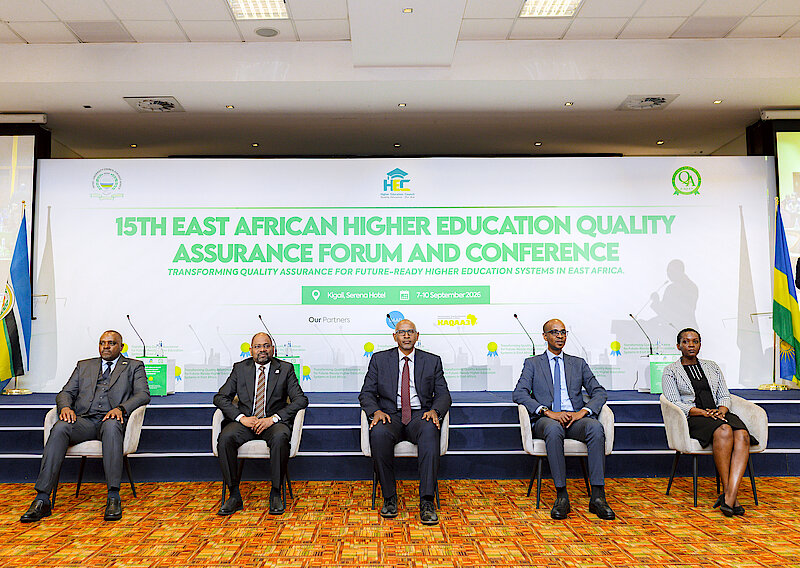
Organized by the East African Higher Education Quality Assurance Network (EAQAN) in partnership with the Inter-University Council for East Africa (IUCEA) and hosted by Rwanda’s Higher Education Council (HEC), this landmark gathering focused on a single imperative: “Transforming Quality Assurance for Future-Ready Higher Education Systems in East Africa.”
The four-day assembly marked a decisive shift from routine regulatory compliance toward dynamic, outcome-driven quality governance designed to navigate rapid technological transformation, changing labor markets, and cross-border academic mobility.
A Call for Action: Preparing Students for Tomorrow
Opening the event, Rwanda’s Minister of Education, Hon. Joseph Nsengimana, framed the stakes for the region’s expanding youth demographic:
“Our young people, the majority of our region’s population, are asking us a simple but urgent question: Will the education we receive today prepare us for the world of tomorrow?”
This question anchored the conference deliberations, emphasizing that accreditation frameworks must continuously adapt to modern pedagogical shifts, emerging skills demands, and technological advancements.
Core Keynote Themes & Strategic Focus Areas
1. Artificial Intelligence and Responsible Governance
Artificial Intelligence served as a central focal point throughout the discussions. Delegates addressed both the transformative potential of AI in research and teaching, as well as the immediate need for clear institutional guidelines to maintain academic integrity and ethical use.
-
Institutional Adaptation: Dr. Edward Kadozi, Director General of HEC Rwanda, pointed to national policy initiatives surrounding virtual learning and AI integration, urging universities to embed AI intentionally into core academic workflows rather than treating it as an afterthought.
-
Regional AI Network: As part of a broader capacity-building push, six regional universities—including the University of Rwanda—were designated as anchor institutions for a new regional AI network.
-
Updated Guidelines: Prof. Idris Ahmada Rai, Acting Executive Secretary of IUCEA, announced upcoming reviews of regional tools, including dedicated guidelines for AI-assisted and digitally mediated learning environments.
2. Shifting from Periodic Audits to Continuous Improvement
Delegates broadly agreed that quality assurance must transcend static, periodic institutional reviews. Dr. Kadozi emphasized that quality management should operate as the “daily heartbeat” of an institution, built upon transparent data, continuous peer evaluation, and verifiable learning outcomes.
3. Qualifications Portability, Mobility, and Alternative Credentials
With regional integration accelerating under the East African Community (EAC) framework, sessions addressed the operationalization of mutual recognition for qualifications, staff and student exchanges, micro-credentials quality standards, and the digitization of regulatory verification systems.
key Resolutions and Strategic Roadmap
At the conclusion of the forum, EAQAN delegates and partner organizations adopted a set of actionable commitments to guide higher education policies across the EAC:
-
Framework Modernization: Accelerate alignment and mutual recognition of qualifications across Partner States.
-
Micro-Credentials Quality Control: Develop standard criteria for accrediting short-course and skill-specific qualifications.
-
AI & Digital Governance: Establish clear ethical policies for generative AI and digital education tools.
-
Regulatory Digitization: Modernize quality assurance infrastructure through reliable institutional data systems and online verification services.
-
Capacity Building: Build regional pools of certified quality assurance trainers to support continuous professional development for university staff.
-
Industry & Ecosystem Alignment: Strengthen collaboration between regulatory bodies, academia, and private sector employers to ensure graduate skills match economic needs.
Cultural Engagement and Solidarity
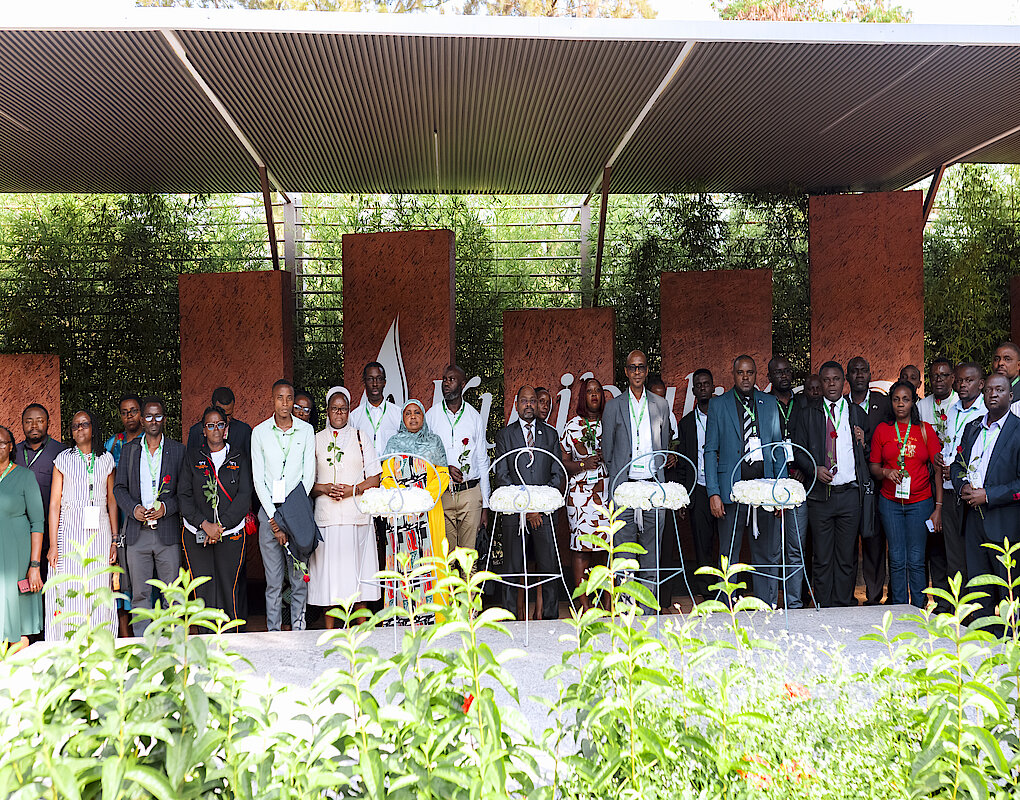
Reflecting the forum’s commitment to shared regional history and community, delegates visited the Kigali Genocide Memorial in Gisozi to pay homage to the victims of the 1994 Genocide Against the Tutsi. The official program concluded with a cultural networking reception hosted by HEC Rwanda, celebrating the hospitality and heritage of the host nation.
Looking Ahead
The 15th EAQAN Forum demonstrated that quality assurance in East Africa is moving beyond policy manuals toward measurable, real-world impact. As regional institutions continue to align their academic standards, EAQAN remains dedicated to empowering universities, safeguarding qualifications, and creating a cohesive, world-class higher education ecosystem across East Africa.